
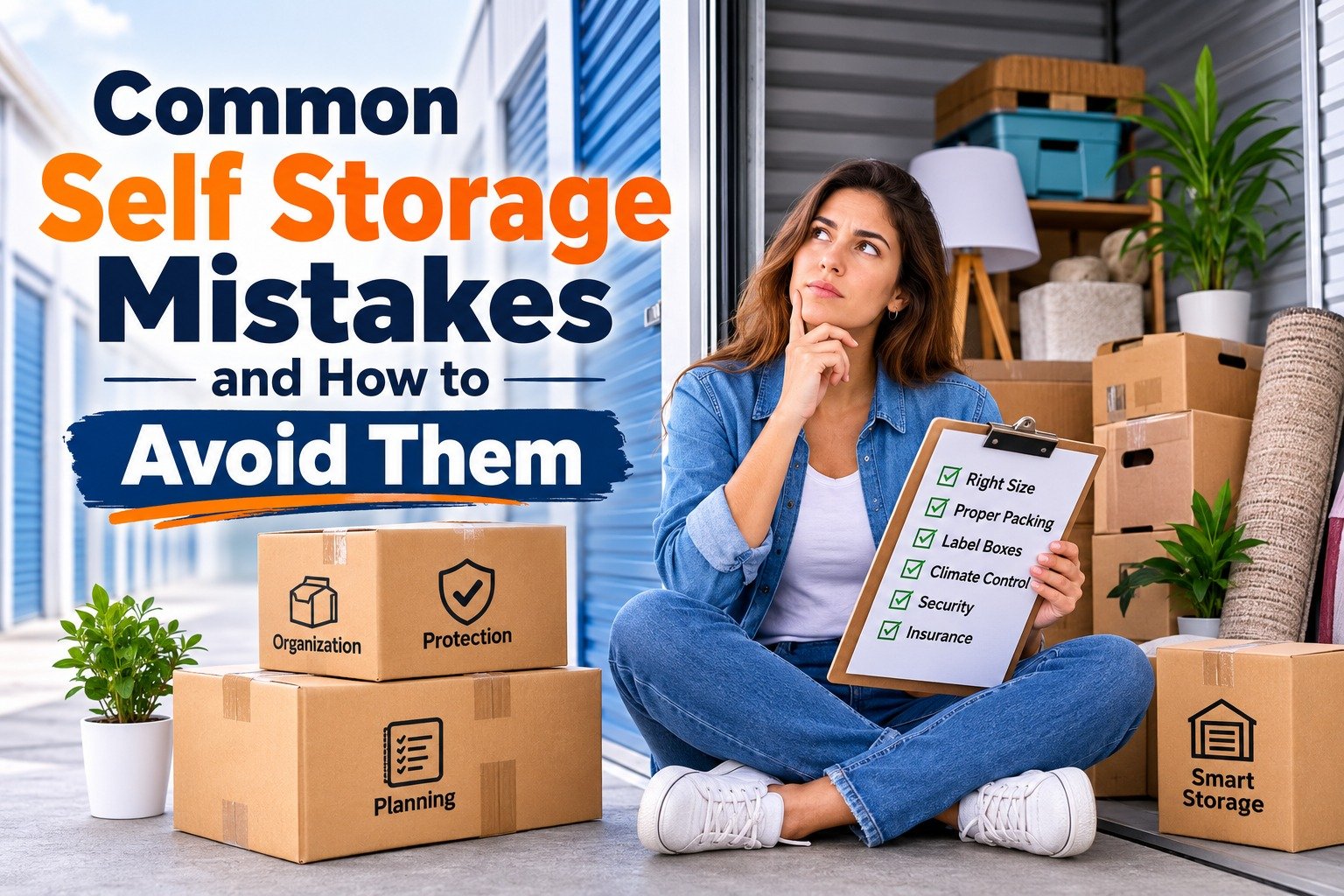
Common Self Storage Mistakes and How to Avoid Them
Self storage has become an increasingly popular solution for homeowners, renters, students, and businesses looking for extra space. Whether you’re moving to a new home, renovating your property, downsizing, or simply trying to declutter, a storage unit offers a convenient and secure place to keep your belongings. However, simply renting a storage unit isn’t enough to ensure your items remain safe and organized. Many people make common mistakes that can lead to damaged possessions, wasted money, or unnecessary stress.
From choosing the wrong unit size to neglecting proper packing techniques, these errors are often easy to avoid with a little planning. Understanding the most common self storage mistakes can help you maximize your storage space, protect your valuables, and make accessing your belongings much easier in the future.
This guide explores the most frequent self storage mistakes and provides practical tips to help you avoid them.
1. Choosing the Wrong Storage Unit Size
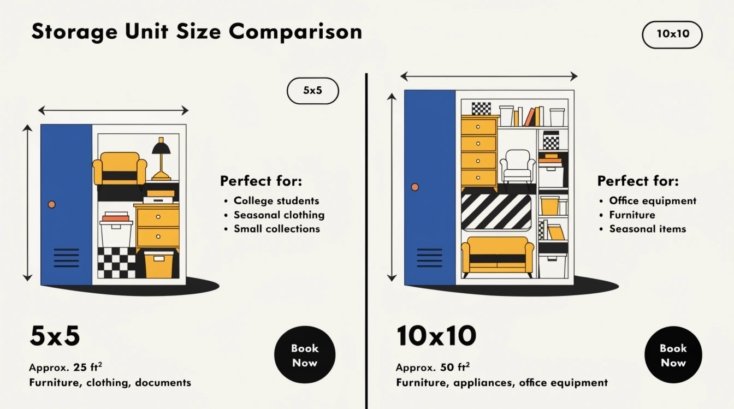
Selecting the wrong storage unit is one of the biggest mistakes people make. Some renters choose the smallest unit possible to save money, only to discover that their belongings don’t fit properly. Others rent an oversized unit and end up paying for space they never use.
An overcrowded storage unit can damage furniture, crush boxes, and make it nearly impossible to access individual items. On the other hand, paying for unused space increases your monthly storage costs without providing any additional benefits.
How to Avoid It
Before renting a storage unit:
- Make a complete inventory of the items you plan to store.
- Measure large furniture, appliances, and oversized boxes.
- Ask the storage facility for recommendations based on your inventory.
- Leave enough room for safe stacking and easy movement inside the unit.
Choosing the right size from the beginning saves both time and money.
2. Packing Without a Plan
Many people simply throw boxes and furniture into a storage unit as quickly as possible. While this may save time on moving day, it often creates problems later.
Randomly stacked boxes are more likely to collapse, become damaged, or block access to important belongings. Without a plan, you may need to unpack half the unit just to retrieve one item.
How to Avoid It
Create a layout before moving items into storage.
A simple strategy includes:
- Place heavy furniture along the walls.
- Store large appliances in the back.
- Keep frequently used items near the entrance.
- Leave a narrow walkway down the center for easy access.
Planning your layout before loading the unit makes future visits much more convenient.
3. Using Cheap or Damaged Boxes
Old grocery boxes or worn-out cardboard cartons may seem like a cost-effective option, but they often collapse under pressure. Weak boxes can lead to broken belongings, unstable stacks, and wasted storage space.
How to Avoid It
Invest in quality packing supplies, including:
- Heavy-duty moving boxes
- Bubble wrap
- Packing paper
- Strong packing tape
- Plastic storage bins for valuable or moisture-sensitive items
Using sturdy containers helps protect your belongings during long-term storage.
4. Forgetting to Label Boxes
One of the most frustrating storage mistakes is failing to label boxes. Months later, every carton looks identical, making it difficult to locate specific items.
Searching through dozens of boxes wastes time and increases the risk of damaging packed belongings.
How to Avoid It
Clearly label every box on at least two sides.
Include:
- Room name
- General contents
- Fragile warnings
- Box number
Consider keeping a digital inventory or spreadsheet that matches each numbered box with its contents.
5. Ignoring Climate Control
Temperature and humidity can significantly affect stored belongings. Wooden furniture may warp, electronics may deteriorate, photographs can fade, and important documents may become damaged.
Climate-controlled storage units maintain more stable conditions throughout the year.
Items That Benefit from Climate Control
- Wooden furniture
- Leather furniture
- Musical instruments
- Electronics
- Artwork
- Photographs
- Important paperwork
- Books
- Collectibles
- Antiques
Although climate-controlled units often cost more, they can prevent expensive damage to valuable possessions.
6. Storing Dirty Items
Dust, food residue, moisture, and stains can become much bigger problems during long-term storage.
Dirty furniture can develop mold, while crumbs left in appliances or kitchenware may attract insects and rodents.
How to Avoid It
Before storing anything:
- Clean furniture thoroughly.
- Vacuum upholstered items.
- Wash and completely dry clothing.
- Empty refrigerators and freezers.
- Defrost appliances.
- Clean kitchen equipment.
- Remove food residue from containers.
Taking time to clean everything beforehand helps prevent odors, mold, and pest infestations.
7. Forgetting About Moisture Protection
Moisture is one of the biggest threats to stored belongings. Even in secure facilities, changes in humidity can cause mildew, rust, and mold.
How to Avoid It
Protect your belongings by:
- Using moisture absorbers.
- Elevating boxes on pallets if allowed.
- Avoiding direct contact between cardboard and concrete floors.
- Choosing plastic containers for valuable items.
- Ensuring everything is completely dry before packing.
Simple moisture prevention can greatly extend the life of your stored possessions.
8. Improperly Storing Furniture
Furniture is often one of the most valuable items placed in storage. Unfortunately, improper storage techniques can result in scratches, dents, fabric damage, or warped wood.
How to Avoid It
- Disassemble large furniture whenever possible.
- Store screws and hardware in labeled bags attached to the furniture.
- Cover furniture with breathable moving blankets or protective covers.
- Avoid using plastic wrap directly on wooden furniture for extended periods, as it can trap moisture.
- Place padding between stacked furniture pieces.
Proper preparation keeps furniture looking its best.
9. Stacking Boxes Incorrectly
Improper stacking creates unstable piles that can collapse unexpectedly.
Heavy boxes placed on top of lightweight containers often crush fragile belongings underneath.
How to Avoid It
Follow these stacking guidelines:
- Heavy boxes on the bottom.
- Medium-weight boxes in the middle.
- Lightweight boxes on top.
- Fragile items stored separately.
- Keep stacks level and balanced.
Avoid creating stacks that are too tall or unstable.
10. Leaving Empty Space Unused
Many people overlook the storage potential inside furniture.
Empty drawers, wardrobes, filing cabinets, and dressers can safely hold lightweight belongings.
How to Avoid It
Use available interior spaces to store:
- Towels
- Bedding
- Pillows
- Clothing
- Curtains
- Soft toys
This approach helps maximize every square foot of your storage unit.
11. Blocking Frequently Needed Items
Sometimes people discover they need seasonal decorations, tax records, sports equipment, or important documents months after placing them in storage.
If these items are buried behind dozens of boxes, retrieving them becomes a major project.
How to Avoid It
Store frequently accessed belongings near the front.
Examples include:
- Holiday decorations
- Winter clothing
- Camping equipment
- Business files
- Medical records
- Family keepsakes
Easy access saves considerable time and effort.
12. Not Creating an Inventory
Without an inventory, it’s surprisingly easy to forget what you’ve stored.
This is especially true for long-term storage or business inventory.
How to Avoid It
Maintain an inventory that includes:
- Box numbers
- Item descriptions
- Photographs
- Purchase values for expensive items
Cloud-based spreadsheets or inventory apps make updates simple.
13. Assuming Insurance Covers Everything
Many renters mistakenly believe their belongings are automatically insured while in storage.
In reality, coverage varies depending on your homeowner’s insurance, renter’s insurance, or the storage company’s policy.
How to Avoid It
Review your insurance coverage carefully.
Ask questions such as:
- What types of damage are covered?
- Are natural disasters included?
- Is theft covered?
- Are high-value items protected?
- What documentation is required for claims?
Keeping receipts and photographs makes future claims much easier.
14. Ignoring Security Features
Not all storage facilities offer the same level of security.
Choosing the cheapest option without evaluating safety measures can increase the risk of theft or vandalism.
Look for Features Such As
- Gated access
- Individual access codes
- Security cameras
- On-site staff
- Bright lighting
- Alarmed units
- Secure perimeter fencing
A well-secured facility offers greater peace of mind.
15. Storing Prohibited Items
Most storage facilities prohibit certain items for safety and legal reasons.
Common prohibited items include:
- Flammable liquids
- Gasoline
- Fireworks
- Explosives
- Hazardous chemicals
- Perishable food
- Live plants
- Animals
- Illegal substances
Always review the facility’s prohibited items list before moving in.
16. Neglecting Regular Visits
Long-term storage doesn’t mean “store it and forget it.”
Checking your unit periodically allows you to identify issues before they become major problems.
During Each Visit
Inspect for:
- Moisture
- Mold
- Pest activity
- Damaged boxes
- Shifting furniture
- Security concerns
Regular inspections help protect valuable belongings.
17. Overpacking Boxes
Boxes packed beyond their weight limit become difficult to lift and more likely to break.
Heavy boxes also increase the chance of personal injury during moving.
How to Avoid It
Keep each box manageable.
A good rule is:
- Books in small boxes.
- Clothing in medium boxes.
- Linens in large boxes.
Distribute weight evenly to improve safety.
18. Forgetting to Protect Fragile Items
Glassware, mirrors, artwork, and electronics require extra care.
Simply placing these items in cardboard boxes without padding often leads to costly damage.
How to Avoid It
- Wrap fragile items individually.
- Fill empty spaces with packing paper.
- Use dish pack boxes for glassware.
- Stand mirrors upright rather than laying them flat.
- Label boxes as “Fragile.”
Taking extra precautions greatly reduces the risk of breakage.
19. Storing Electronics Incorrectly
Electronics are particularly vulnerable to dust, moisture, and extreme temperatures.
Best Practices
- Remove batteries.
- Use original packaging whenever possible.
- Wrap cords separately.
- Cover devices with dust-resistant materials.
- Store electronics off the floor.
These simple steps help preserve functionality during storage.
20. Forgetting an Exit Strategy
Many people organize their storage unit only for moving in, not for moving out.
Months or years later, unpacking becomes confusing and time-consuming.
How to Avoid It
Think ahead when arranging your unit.
- Label aisles.
- Group similar items together.
- Keep an updated inventory.
- Store related boxes in the same area.
- Leave room for future additions.
A little organization now makes retrieval much easier later.
Final Thoughts
A self storage unit can be an excellent solution for protecting your belongings and freeing up valuable space at home or in the office. However, the way you prepare, pack, and organize your items plays a significant role in how well they are preserved over time. Common mistakes such as choosing the wrong unit size, using poor-quality packing materials, failing to label boxes, neglecting climate control, or overlooking security can lead to unnecessary expenses and damaged possessions.
Fortunately, these issues are easy to avoid with thoughtful planning and a systematic approach. Taking the time to clean items before storage, use durable packing supplies, create a detailed inventory, and arrange your unit for easy access will save you time, money, and frustration in the long run. Regular inspections and proper insurance coverage provide additional peace of mind, ensuring your belongings remain protected throughout their time in storage.
Whether you’re storing household furniture, seasonal decorations, business inventory, or cherished family heirlooms, following these best practices will help you get the most value from your self storage unit. With careful preparation and ongoing organization, you can enjoy a storage experience that is secure, efficient, and stress-free.