

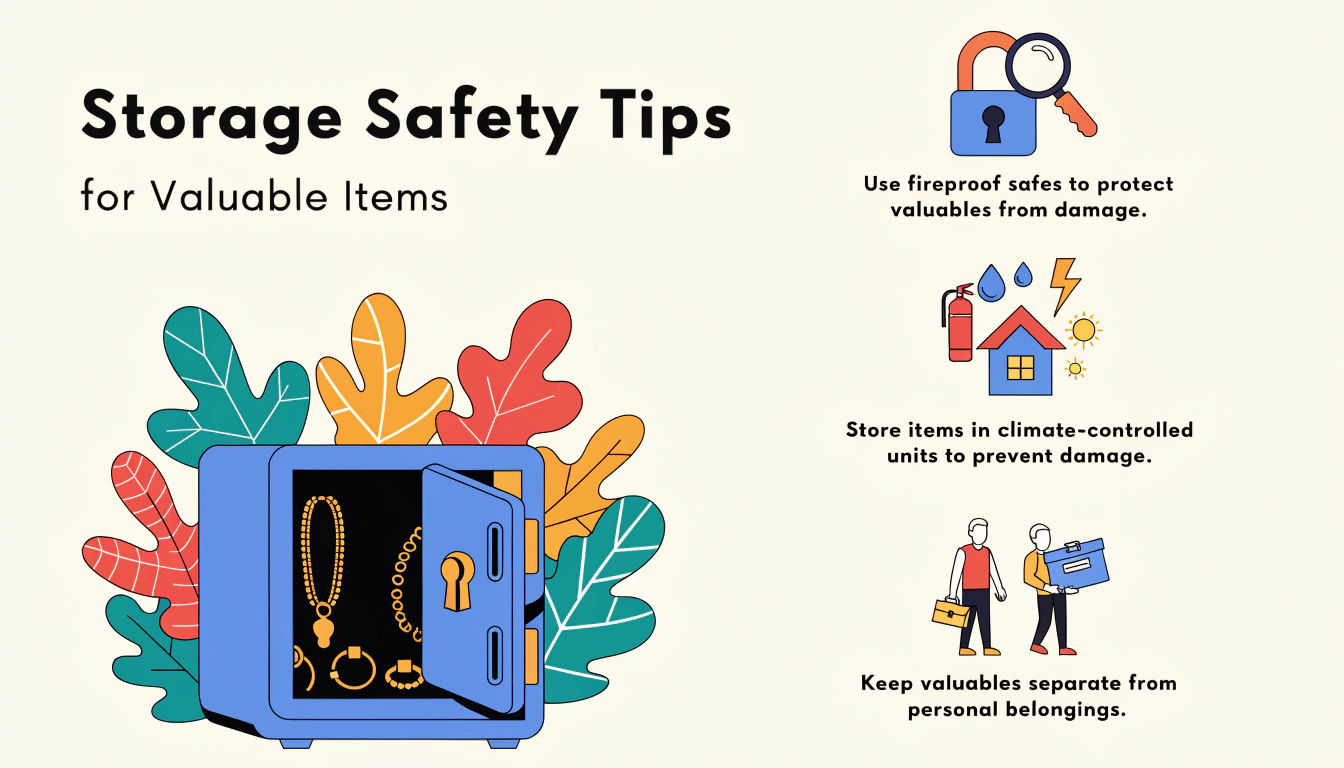
Storing valuable belongings requires more than simply placing them inside a storage unit and locking the door. Valuable items such as electronics, antiques, furniture, important documents, artwork, jewelry, and collectibles need proper care and organization to remain protected during storage.
Without the right preparation, belongings can be damaged by moisture, dust, poor packing, or accidental handling. Following the correct storage safety tips for valuable items can help keep your belongings secure and in excellent condition for both short-term and long-term storage.
Choosing a trusted self storage facility is the first step toward protecting your valuables and ensuring peace of mind.
Why Proper Storage Safety Matters
Many people underestimate the importance of properly storing valuable items. Poor packing and organization can lead to expensive damage that may not be immediately noticeable.
Common storage risks include:
- Moisture damage
- Dust accumulation
- Broken fragile items
- Theft or unauthorized access
- Mold growth
- Pest infestations
Using the right storage methods helps reduce these risks and extends the lifespan of your belongings.
Choose a Secure Storage Facility
Security should always be a top priority when storing valuable items. A reliable storage facility provides multiple security features designed to protect customer belongings.
When selecting a storage facility, look for features such as:
- 24/7 CCTV surveillance
- Secure gated access
- Individual storage unit locks
- Well-lit premises
- Security monitoring systems
A professional storage provider offers better protection compared to storing valuable items in garages, sheds, or spare rooms.
Use High-Quality Packing Materials
Using proper packing materials is essential for preventing accidental damage while items remain in storage.
Recommended packing supplies include:
- Heavy-duty cardboard boxes
- Bubble wrap
- Packing paper
- Plastic storage containers
- Foam padding
- Strong packing tape
Fragile items should always be wrapped carefully before being placed into storage boxes.
Protect Fragile Items Carefully
Fragile items such as glassware, electronics, antiques, and artwork require extra protection.
Helpful tips include:
- Wrap items individually using bubble wrap
- Avoid overpacking boxes
- Use cushioning between objects
- Clearly label fragile boxes
Proper packing significantly reduces the risk of accidental breakage.
Protect Items From Moisture and Humidity
Moisture is one of the biggest threats to valuable belongings in storage. Electronics, wooden furniture, clothing, paper documents, and photographs can all suffer serious damage if exposed to humidity.
To prevent moisture-related issues:
- Use moisture absorbers or silica gel packs
- Avoid placing items directly on the floor
- Cover furniture with protective sheets
- Ensure belongings are dry before storage
Reliable secure storage solutions help create a safer environment for sensitive items.
Organize Your Storage Unit Properly
Proper organization improves both safety and accessibility inside your storage unit.
A well-organized unit helps prevent:
- Items falling over
- Fragile belongings getting crushed
- Difficult access to important items
Smart Organization Tips
- Place heavy boxes at the bottom
- Keep lighter items on top
- Store fragile items away from heavy furniture
- Leave small walking paths inside the unit
Organized storage also makes retrieving belongings much easier later.
Store Valuable Items Toward the Back
Expensive or highly valuable belongings should be stored toward the back of the storage unit rather than near the entrance.
This provides additional protection because:
- Items remain less visible
- They are less likely to be disturbed
- Temperature fluctuations near the entrance are reduced
For extra protection, avoid storing extremely valuable items directly near the storage door.
Label Boxes Clearly
Clear labeling helps you identify belongings quickly without opening every box.
Effective labeling can include:
- Room names
- Fragile warnings
- Item categories
- Priority labels
Examples:
- Kitchen Items
- Fragile Electronics
- Important Documents
Proper labeling minimizes unnecessary handling and helps prevent accidental damage.
Create an Inventory List
Maintaining an inventory list is one of the most effective ways to track valuable belongings in storage.
An inventory helps you:
- Keep track of stored items
- Locate belongings faster
- Identify missing items easily
- Stay organized during long-term storage
You can create either a written inventory or a digital spreadsheet for better tracking.
Avoid Storing Extremely Sensitive Items
Although storage facilities are secure, some extremely sensitive or irreplaceable items may be better stored elsewhere.
Examples include:
- Cash
- Passports
- Legal documents
- Rare jewelry
- Highly confidential business records
These items are often safer in fireproof safes or bank safety deposit boxes.
Use Strong Locks for Added Protection
A high-quality lock provides an additional layer of protection for your storage unit.
Recommended lock types include:
- Disc locks
- Heavy-duty padlocks
- Cylinder locks
Avoid using cheap locks that can be easily damaged or cut.
A trusted storage facility may also recommend specific lock types for maximum security.
Check Your Storage Unit Regularly
If possible, visit your storage unit occasionally to inspect your belongings and ensure everything remains in good condition.
Regular inspections allow you to:
- Identify moisture issues early
- Check for pests
- Reorganize items if necessary
- Confirm security measures remain effective
Routine checks help prevent small problems from becoming major damage.
Safety Tips for Long-Term Storage
If you plan to store items for an extended period, extra precautions are important.
Long-Term Storage Tips
- Clean items thoroughly before storage
- Use protective covers for furniture
- Avoid storing damp belongings
- Leave space for air circulation
- Use shelving when possible
Proper preparation helps preserve belongings for months or even years.
Why Professional Storage Is Better Than Home Storage
Some people attempt to store valuable items in garages, sheds, or spare rooms. However, these locations often lack proper security and environmental protection.
Professional storage facilities offer:
- Better security systems
- More organized storage spaces
- Protection from weather exposure
- Flexible storage options
- Safer environments for valuables
Using professional storage solutions provides greater peace of mind and helps protect important belongings more effectively.
Final Thoughts
Following proper storage safety tips for valuable items can help protect your belongings from damage, theft, and environmental risks. From using high-quality packing materials to choosing a secure storage facility, careful preparation plays a major role in maintaining the condition of valuable items.
Whether you are storing furniture, electronics, collectibles, or important household belongings, a secure and organized storage unit helps ensure everything remains safe for the long term.
If you’re looking for reliable and affordable storage options, explore the professional storage solutions at AllTimeStorage for secure personal and business storage needs.

